
how do we learn to love?
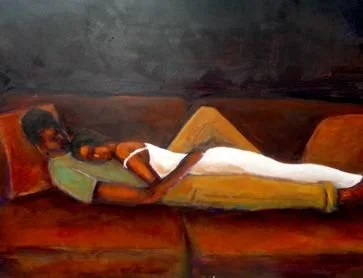
“valuing ourselves rightly means we understand love to be the only foundation of being that will sustain us in both times of lack and times of plenty.” - bell hooks
I recently finished reading salvation by bell hooks, and it altered my brain and thinking in a way that bell hooks so lovingly does. if you’ve read any of my other blogs or keep up with the content of my wellness brand, ReverentSol, then you’d know that bell hooks is one of my favorite writers and an inspiration and muse of my writing, specifically when it comes to the topic of love. the first book of her love trilogy, all about love, is one of my favorite literary works by her, so it was only right that I read the others to complete the trilogy — salvation, and eventually finishing with communion.
salvation focuses on the overarching theme of love, but more specifically, Black people and love. lately, I’ve had a deep desire to dig further into Black history and religion, specifically how both tie into and have been impacted by patriarchy and, subsequently, capitalism. I know that’s a lot to digest, but these themes are deeply intertwined, some stemming from others, and have shaped our lives, as Black people, and relationships for generations. my inclination to dive deeper into these topics comes, obviously, from being a Black woman living in America, but also from being on my own journey of understanding love through a new lens (check out love, as it is… pt. 1 & pt. 2 for more insight on this). I also have two young children who are beginning to ask questions about Black history and religion. as their mother, I want to be delicate with the information I provide — realistic and sensitive to their young, vulnerable minds, while still being honest and transparent. in this season of my life, there has been a lot of learning and unlearning… and in the best ways. I often joke with my friends that I am currently on my third life, which has some truth to it. I’m embarking on a journey that feels somewhat unfamiliar, yet is fulfilling layers of my soul I didn’t know were present and teaching me about myself in ways I didn’t know I needed. I can say that I’m truly happy to be here.
throughout these personal transformations and revelations over the past four years, I’ve also experienced changing relational dynamics with two of the closest men in my life. transparently speaking, one of those being my father. I won’t go into the details of that in this particular blog, but I mention it because these changes have impacted me deeply and in very unique ways. although that isn’t something I’d like to dive into today (I’ll save that for my loving therapist), I bring it up because reading salvation stirred emotions in me as bell hooks explored the origins of love within and amongst Black people — from slavery through generations of historical and cultural change. she examines how collective trauma has shaped the ways Black people regard, experience, and express love, including the unique dynamics between Black men and Black women. throughout the book, hooks discusses how Black leaders have historically emphasized the importance of love, of acting within love, embodying love, and even extending love toward our oppressors, while often failing to explain how we are supposed to love one another, or ourselves, as Black people. she questions how Dr. Martin Luther King Jr. could address loving others without fully addressing how this could be done when we had never been taught to love ourselves (pg. 8). she also explores how patriarchy and capitalism shaped the ways Black people came to understand love, including placing value on material things and viewing survival and providership as expressions of love without always addressing the emotional presence, care, and connection needed within our homes.
this made me reflect deeply on how love was shown and taught to me as a child, and how those experiences have shaped the way I understand love today. my intention with this blog isn’t to cover the book in depth or dissect every stance bell hooks makes, but rather to reflect on what her writing brought up within my own life. I encourage anyone reading this to explore the trilogy, all about love, salvation, and communion, and formulate your own experience of bell hooks’ writing and depictions of love. while reading salvation, I found myself reflecting on my own idea of love — how it was shown to me, how I give and receive it, and ultimately, what love means to me.
I believe love is the foundation of life. I believe this world has swayed away from love, and it shows. I believe love is not just a word or a feeling, but an action… but I also believe that love isn’t always enough. as someone who loves reflection coupled with vulnerability, emotion, and transparency, I wanted to share a few journal prompts that came to mind while reading salvation. you don’t have to read the book to sit with these questions, but they are inspired by themes within hooks’ writing and may offer a deeper opportunity to reflect on Black love, healing, and our relationships with ourselves and others.
how has my understanding of Black love been shaped by what I witnessed growing up within my family, relationships, community, and culture? what beliefs about love do I want to carry forward, and which ones do I want to release?
what does it mean for me to love myself as a Black person in a world that has not always affirmed Blackness? in what ways can self-love become an act of healing, resistance, and freedom?
when thinking of romantic relationships, friendships, and family, what would Black love look like if it were centered on healing? what cycles would need to be acknowledged, forgiven, interrupted, or transformed?
where have I learned to associate love with sacrifice, struggle, endurance, or pain? how would my relationships change if I believed that love could also feel safe, nurturing, honest, reciprocal, and freeing?
before ending this blog, I want to share one of my greatest reflections from salvation as it relates to my own viewpoints of Black love and personal relationships:
people, in general, genuinely just want to feel accepted and a sense of belonging in this life. within the Black community, I believe that desire can carry the weight of generational wounds surrounding belonging, identity, acceptance, and love. I’ve learned that I can extend more grace to others when I understand that their actions toward me, in many cases, have very little to do with me and instead paint an internal picture of how they view themselves. rejection or the removal of love can be deeply rooted and play a significant role in the way we consider, treat, and love others. I’m not saying that makes harmful actions okay… but understanding that people only know what they know and can only move, live, and love from their own personal capacities can help remove some of the expectations and personal offense we carry when their actions negatively impact us.
in order to love others fully, we must first learn how to love ourselves fully. it sounds simple, but when we have historically been taught to hate ourselves as Black people and have been stripped of so many aspects of identity, culture, and community, learning to truly love ourselves becomes a much greater feat. and still, I believe Black women and Black men can find greater healing when we choose to do the work together. as bell hooks states, “to heal our wounded communities, which are diverse and multilayered, we must return to a love ethic, one that is exemplified by the combined forces of care, respect, knowledge, and responsibility.”
until next time…
slowly and reverently,
Mar B.🪷
